Natural Gas Hydrogen Generator
Optimized Design of Steam Methane Reforming (SMR) Hydrogen Production System
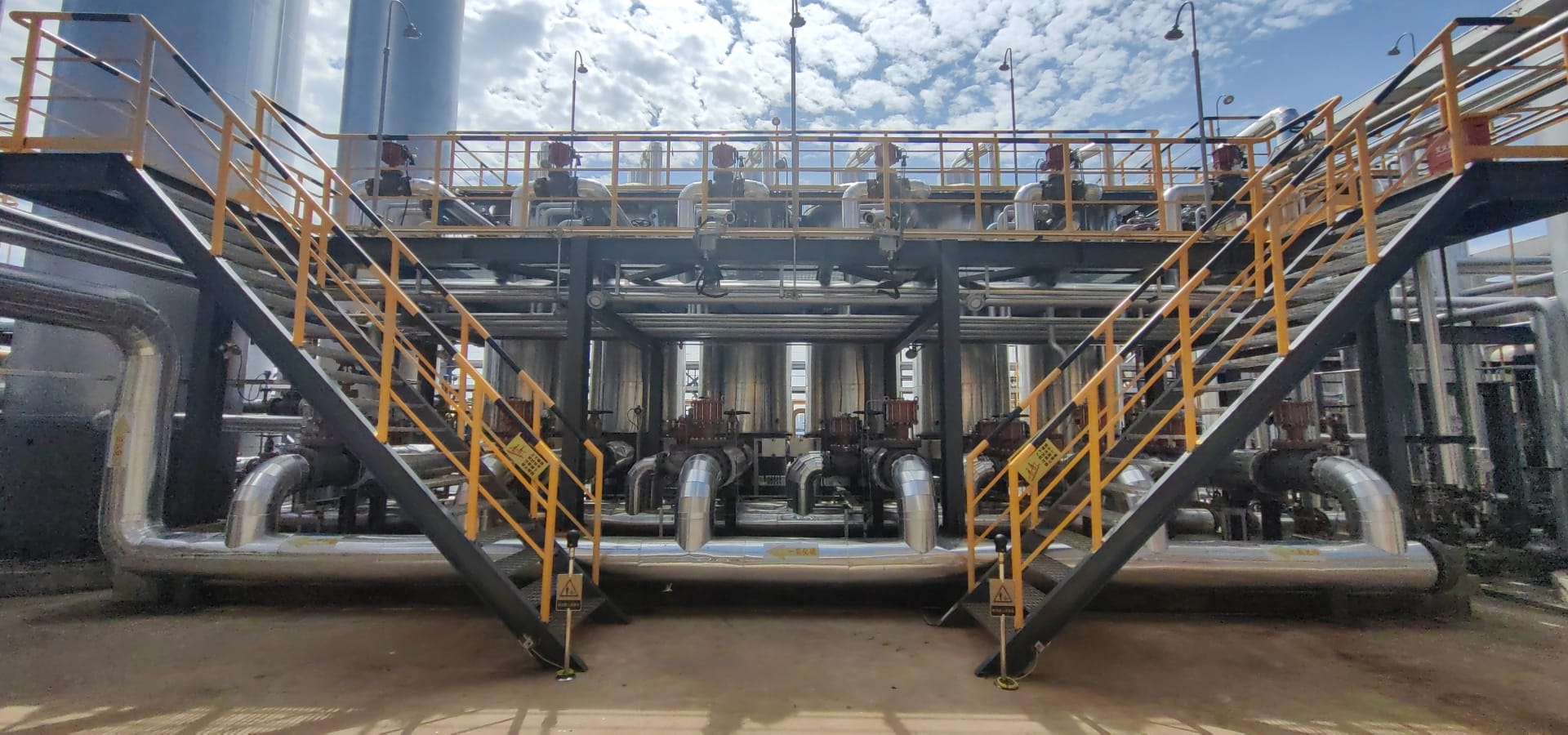
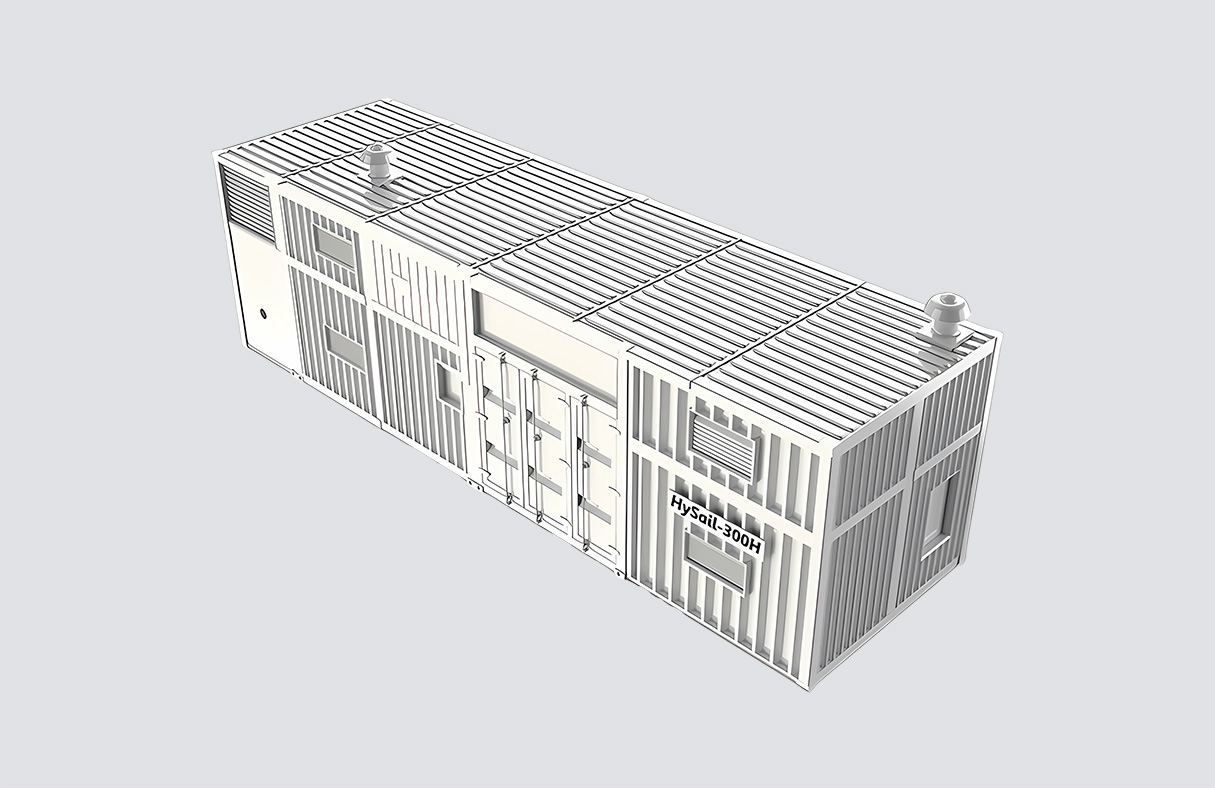
The system adopts an integrated design concept, reducing the size of traditional hydrogen production equipment and achieving a containerized modular layout. Based on the natural gas steam reforming process, the system improves space utilization through optimized structural configuration.
Hydrogen Production Principle
Under the action of catalysts, methane reacts with steam at 700–900 °C and 0.8–2.5 MPa, undergoing a strong endothermic reforming reaction to produce crude syngas containing H₂, CO, and CO₂. The reaction heat is supplied by fuel gas and PSA desorption gas. The crude syngas then enters the shift converter, where CO reacts further with H₂O under catalyst promotion to form CO₂ and H₂.
Gas Purification Process
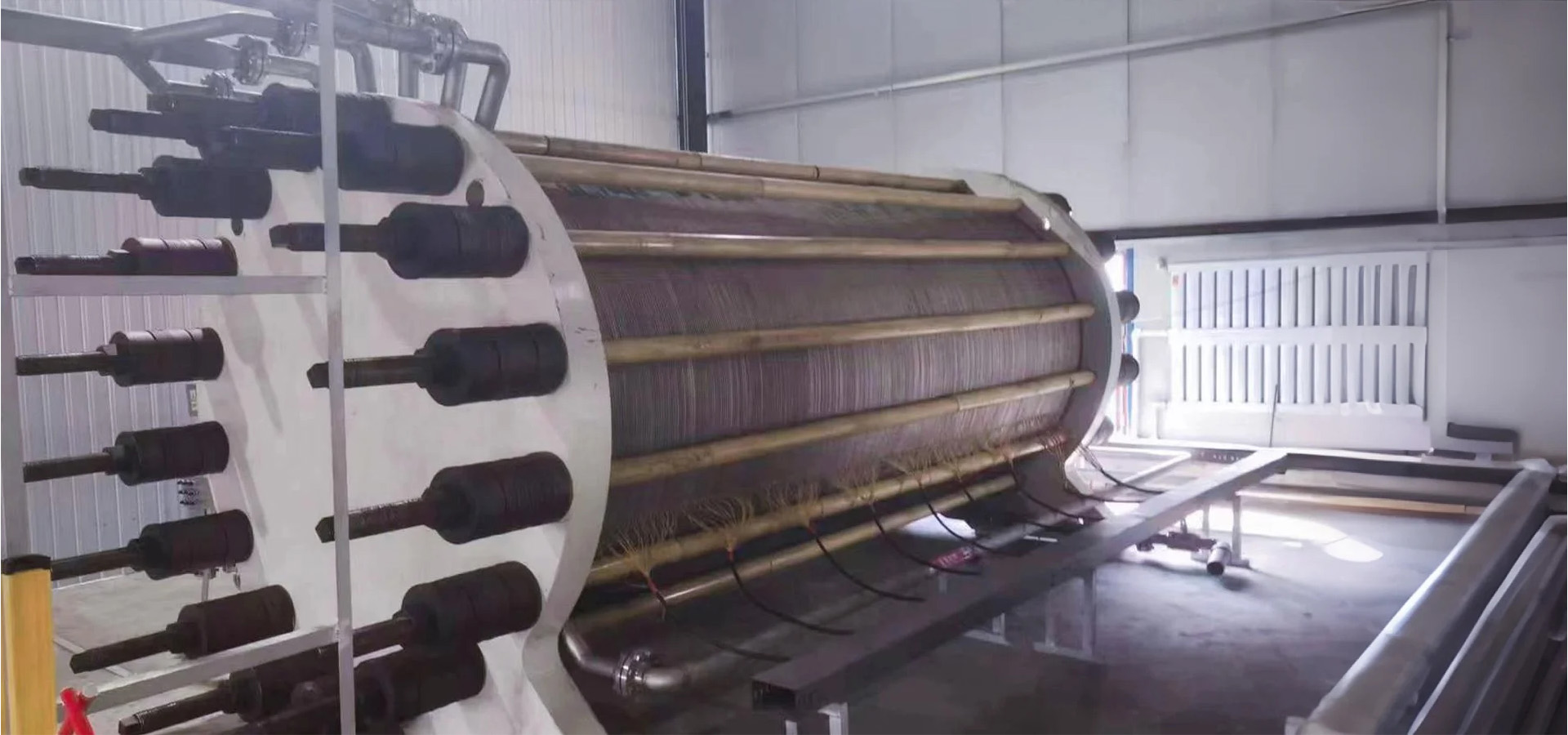
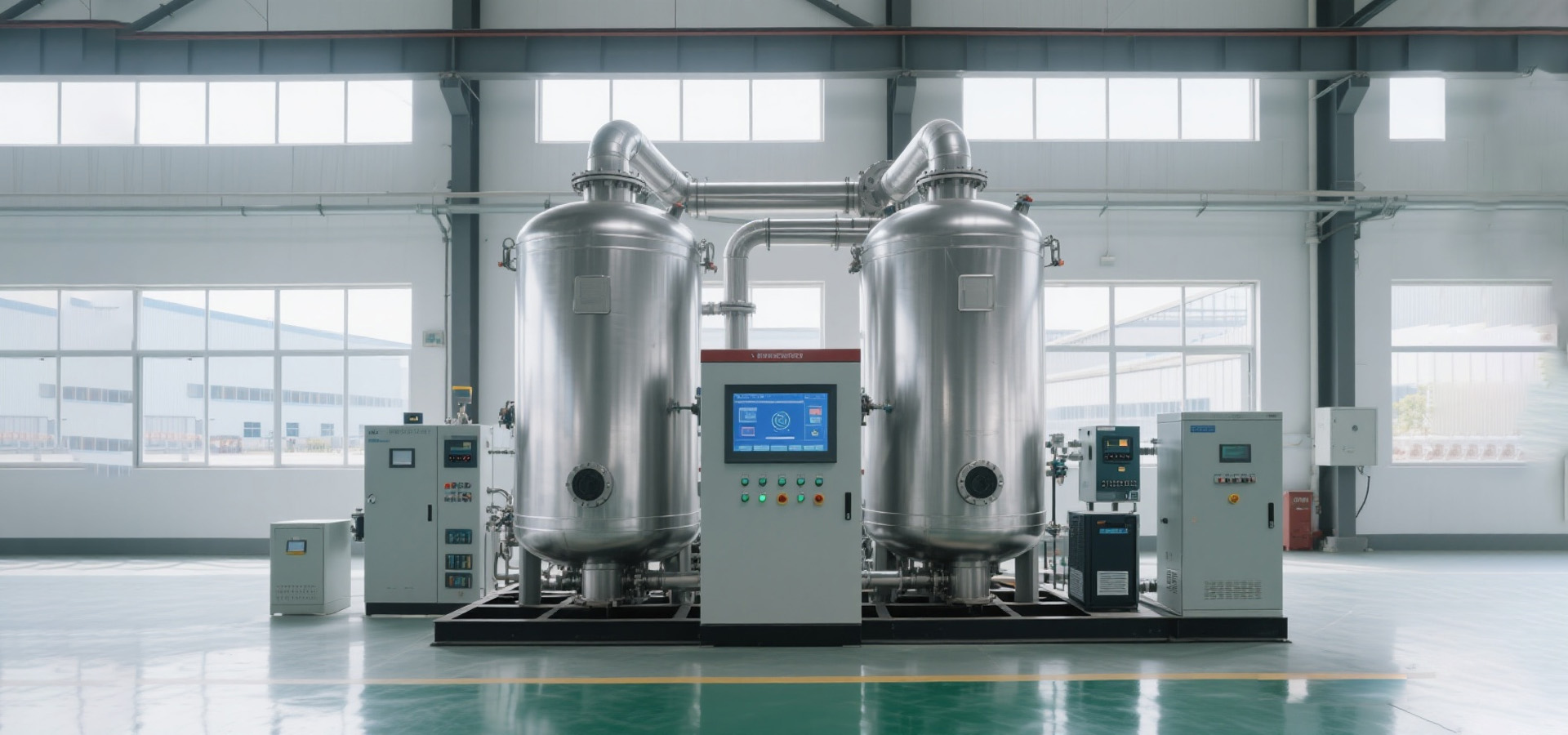
After cooling and dehumidification, the gas stream enters the PSA purification unit, where multi-stage adsorption separation removes CO₂, CH₄, and other impurities, ultimately producing hydrogen products. The entire system achieves continuous production from raw natural gas to high-purity hydrogen output.
Optimized Design of Steam Methane
Reforming (SMR) Hydrogen Production System
The system adopts an integrated design concept, reducing the size of traditional hydrogen production equipment and achieving a containerized modular layout. Based on the natural gas steam reforming process, the system improves space utilization through optimized structural configuration.
Hydrogen Production Principle
Under the action of catalysts, methane reacts with steam at 700–900 °C and 0.8–2.5 MPa, undergoing a strong endothermic reforming reaction to produce crude syngas containing H₂, CO, and CO₂. The reaction heat is supplied by fuel gas and PSA desorption gas. The crude syngas then enters the shift converter, where CO reacts further with H₂O under catalyst promotion to form CO₂ and H₂.
Gas Purification Process
After cooling and dehumidification, the gas stream enters the PSA purification unit, where multi-stage adsorption separation removes CO₂, CH₄, and other impurities, ultimately producing hydrogen products. The entire system achieves continuous production from raw natural gas to high-purity hydrogen output.